
In today’s electrified world, reliable energy isn’t optional—it’s foundational. From homes and hospitals to data centers and factories, modern life depends on resilient, scalable, and efficient systems that keep everything running. That’s where power solutions come in, offering integrated approaches to generation, storage, distribution, and optimization.
This guide explores the full landscape of power solutions, breaking down technologies, use cases, and strategic insights. Whether you’re evaluating backup systems, renewable integration, or enterprise energy optimization, this resource delivers practical clarity with expert-level depth.
Understanding Power Solutions in Modern Context
At its core, power solutions refer to systems and technologies designed to generate, store, manage, and distribute electricity efficiently. These solutions can range from small-scale residential setups to complex industrial grids.
Today’s energy demands have transformed the concept beyond simple supply. Modern power solutions now incorporate smart monitoring, automation, sustainability, and redundancy to meet evolving expectations.
Types of Power Solutions Available Today
There are several categories of power solutions, each tailored to specific needs such as backup power, renewable energy, or grid independence. Common examples include generators, solar systems, battery storage, and hybrid setups.
Each type serves a unique purpose, and the best approach often involves combining multiple systems. Hybrid power solutions are increasingly popular because they balance reliability with efficiency.
Backup Power Solutions for Reliability
Backup systems are among the most widely adopted power solutions, especially in areas prone to outages or unstable grids. These include diesel generators, UPS systems, and standby power units.
Businesses rely heavily on backup power solutions to avoid downtime, protect data, and maintain operations. Even brief outages can result in significant financial losses, making reliability a top priority.
Renewable Energy Power Solutions
Renewable power solutions focus on sustainable energy sources like solar, wind, and hydropower. These systems reduce dependence on fossil fuels and lower long-term energy costs.
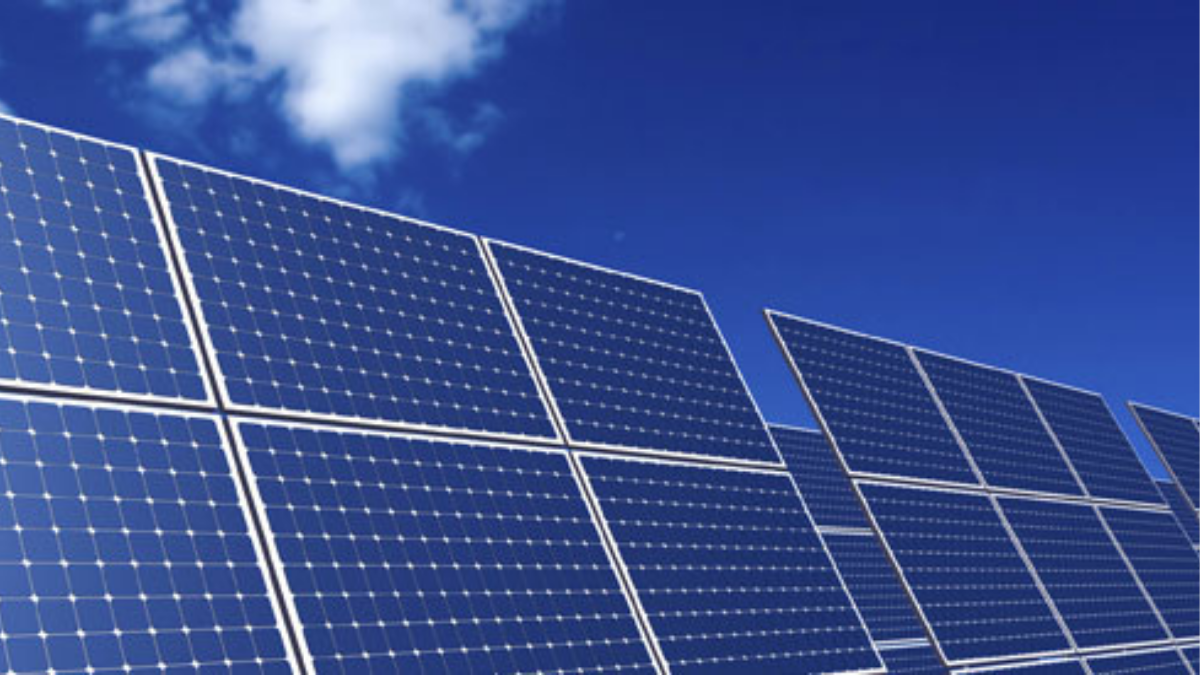
Solar power has become one of the most accessible renewable power solutions, particularly for residential and commercial users. With falling installation costs, adoption continues to accelerate globally.
Hybrid Power Solutions Explained
Hybrid power solutions combine multiple energy sources—such as solar panels and battery storage—with traditional grid power or generators. This approach ensures continuous availability.
These systems are ideal for environments where energy demand fluctuates or grid reliability is inconsistent. Hybrid power solutions offer flexibility, efficiency, and resilience in a single framework.
Industrial Power Solutions for Large-Scale Operations
Industrial environments require robust power solutions capable of handling heavy loads and continuous operation. These systems often include high-capacity generators, transformers, and distribution networks.
Efficiency and uptime are critical in industrial settings. Advanced power solutions integrate monitoring systems to detect faults early and optimize performance.
Power Solutions for Homes and Small Businesses
Residential and small business users benefit from simplified power solutions that prioritize affordability and ease of use. Solar kits, inverters, and compact battery systems are common choices.
These setups are increasingly designed with user-friendly interfaces. Modern power solutions allow homeowners to monitor energy usage and optimize consumption in real time.
Key Components of Effective Power Solutions
Every system relies on core components such as energy sources, storage units, inverters, and control systems. Together, these elements define how power solutions function.
The integration of these components determines efficiency and reliability. High-quality power solutions ensure seamless coordination between generation and consumption.
Comparison of Popular Power Solutions
Below is a structured comparison of common power solutions to help you evaluate options:
| Solution Type | Best Use Case | Cost Level | Reliability | Sustainability |
|---|---|---|---|---|
| Diesel Generator | Backup power | Medium | High | Low |
| Solar System | Renewable energy | Medium | Medium | High |
| Battery Storage | Energy backup/storage | High | High | High |
| Hybrid System | Mixed energy needs | High | Very High | High |
| Grid Power | Daily consumption | Low | Variable | Medium |
This table highlights how different power solutions perform across key factors like cost, reliability, and sustainability.
Smart Power Solutions and Automation
Technology has transformed power solutions into intelligent systems capable of self-monitoring and optimization. Smart grids and IoT-enabled devices play a major role here.
Automation allows users to control energy flow, reduce waste, and improve efficiency. These advanced power solutions are particularly valuable for businesses seeking operational optimization.
Cost Considerations and ROI
The cost of implementing power solutions varies widely depending on scale, technology, and complexity. Initial investment can be high, especially for renewable or hybrid systems.
However, long-term savings often justify the expense. Efficient power solutions reduce energy bills, minimize downtime, and deliver strong returns over time.
Environmental Impact of Power Solutions
Sustainability is a key driver in the evolution of power solutions. Renewable systems significantly reduce carbon emissions and environmental impact.
Even traditional systems are becoming more efficient. Modern power solutions aim to balance performance with environmental responsibility.
Common Misconceptions About Power Solutions
One common myth is that power solutions are only necessary for large businesses or industrial use. In reality, even small households benefit from reliable energy systems.
Another misconception is that renewable power solutions are unreliable. Advances in storage technology have greatly improved consistency and dependability.
Choosing the Right Power Solutions
Selecting the best power solutions requires understanding your energy needs, budget, and long-term goals. Factors like location, usage patterns, and reliability requirements all play a role.
A tailored approach ensures optimal performance. The most effective power solutions are those designed specifically for the user’s environment and demands.
Real-World Example of Power Solutions in Action
Consider a small manufacturing business facing frequent outages. By implementing hybrid power solutions, they combine solar energy with battery storage and a backup generator.
This setup ensures uninterrupted production, reduces energy costs, and improves operational efficiency. It’s a practical example of how strategic power solutions deliver measurable results.
A Quote That Captures the Importance
“Energy resilience isn’t just about keeping the lights on—it’s about enabling progress.”
This insight reflects the true value of power solutions, which go far beyond basic electricity supply.
Future Trends in Power Solutions
The future of power solutions is driven by innovation in storage, AI, and decentralized energy systems. Microgrids and peer-to-peer energy sharing are gaining traction.
As technology evolves, power solutions will become more efficient, accessible, and sustainable. This shift will redefine how energy is produced and consumed globally.
Conclusion
Power solutions are no longer a luxury—they are a necessity in a world that depends on continuous, reliable energy. From homes to industries, these systems enable productivity, सुरक्षा, and growth.
By understanding the different types, technologies, and strategies, you can make informed decisions that align with your needs. The right power solutions not only ensure reliability but also unlock long-term efficiency and sustainability.
FAQ
What are power solutions?
Power solutions refer to systems that generate, store, and manage electricity to ensure reliable energy supply.
Why are power solutions important?
Power solutions are essential for preventing outages, improving efficiency, and supporting modern infrastructure.
What is the best type of power solution?
The best power solutions depend on your needs, but hybrid systems are often the most versatile.
Are renewable power solutions reliable?
Yes, modern power solutions using renewable energy are highly reliable when combined with storage systems.
How much do power solutions cost?
The cost of power solutions varies widely, but long-term savings often offset the initial investment.
