
Understanding the new york city population 2025 is more than just looking at numbers—it’s about grasping the evolving dynamics of one of the world’s most influential urban centers. From migration trends to economic shifts, population changes in New York City reflect broader social and global patterns.
As we move through 2025, the city’s population tells a story of resilience, recovery, and transformation. This guide breaks down the latest estimates, key drivers, and what the future holds for New York City’s demographic landscape.
Current Estimated Population in 2025
The most reliable estimates place the new york city population 2025 at approximately 8.4 to 8.6 million residents. These figures are based on projections derived from U.S. Census Bureau data and local planning agencies.
While the exact number fluctuates slightly depending on methodology, the overall trend shows stabilization after pandemic-era declines. The new york city population 2025 reflects gradual recovery rather than rapid expansion.
Population Trends Since 2020
Following the disruptions of 2020, the new york city population 2025 marks a turning point toward regrowth. Outmigration slowed significantly, while domestic and international migration began to rebound.
This shift highlights how urban centers adapt over time. The new york city population 2025 demonstrates that large cities remain attractive despite temporary setbacks.
Borough-by-Borough Population Breakdown
Each borough contributes uniquely to the new york city population 2025. Brooklyn remains the most populous, followed by Queens, while Manhattan continues to serve as the economic core.
Meanwhile, The Bronx and Staten Island show steady but slower growth. Together, these boroughs shape the full picture of the new york city population 2025.
Key Drivers of Population Growth
Migration remains a major factor influencing the new york city population 2025. International arrivals, in particular, play a crucial role in replenishing population losses from previous years.
Economic opportunity, education, and cultural diversity continue to attract people. These forces collectively sustain the new york city population 2025 despite rising living costs.
Impact of Housing and Cost of Living
Housing affordability significantly affects the new york city population 2025. High rent prices push some residents to relocate, while others continue to move in for career opportunities.
This push-and-pull dynamic creates a fluid population environment. The new york city population 2025 reflects both challenges and ongoing demand for urban living.
Population Density and Urban Structure
New York City remains one of the most densely populated cities in the world. The new york city population 2025 is concentrated in relatively small geographic areas, particularly in Manhattan and parts of Brooklyn.
This density supports efficient public transportation and economic activity. However, it also places pressure on infrastructure and housing systems.
Comparison with Previous Decades
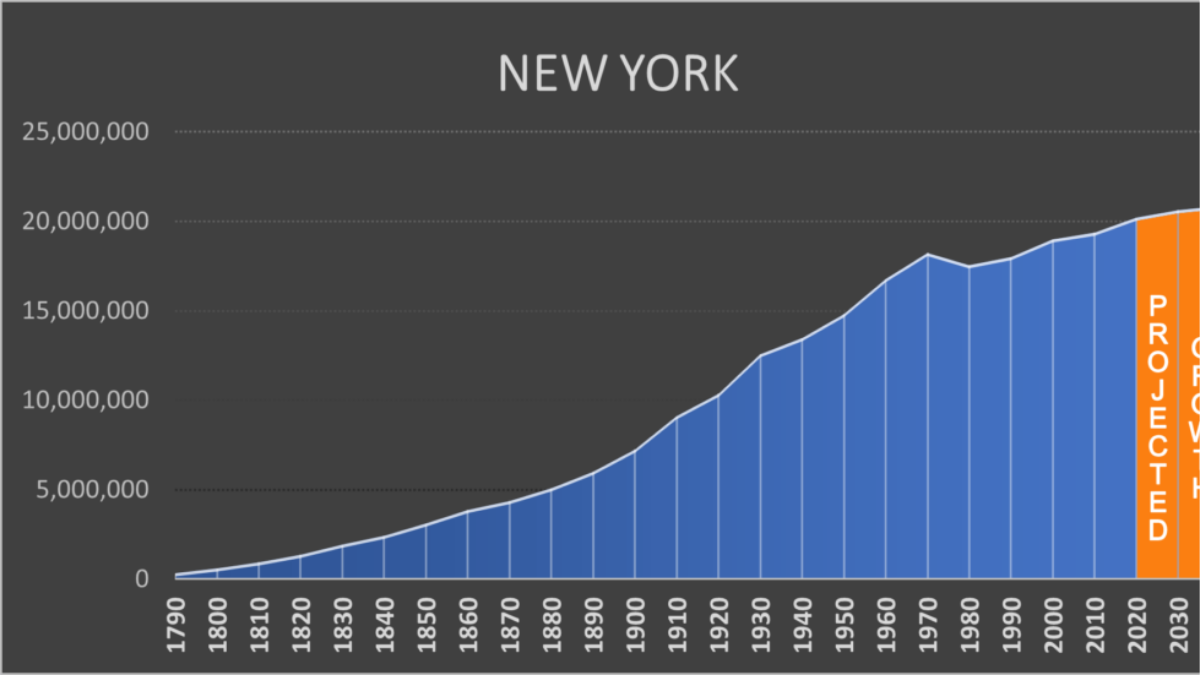
Compared to earlier decades, the new york city population 2025 shows slower but more stable growth. Rapid expansion seen in the early 2000s has given way to more balanced trends.
This shift reflects changing demographics, economic cycles, and lifestyle preferences. The new york city population 2025 is shaped by long-term structural changes rather than short-term spikes.
Table: NYC Population Trends Overview
| Year | Estimated Population | Growth Trend | Key Insight |
|---|---|---|---|
| 2010 | 8.17 million | Moderate growth | Post-recession recovery |
| 2015 | 8.55 million | Strong growth | Economic boom |
| 2020 | 8.80 million | Peak before decline | Pandemic impact begins |
| 2022 | 8.38 million | Decline | Outmigration surge |
| 2025 | 8.4–8.6 million | Stabilization | Gradual recovery |
Role of Immigration in Population Stability
Immigration is central to maintaining the new york city population 2025. Historically, New York City has been a gateway for international newcomers.
These communities contribute to economic vitality and cultural richness. The new york city population 2025 would look very different without this global influx.
Economic Influence on Population Trends
Economic conditions directly influence the new york city population 2025. Job opportunities in finance, tech, and media attract professionals from across the world.
At the same time, economic downturns can trigger temporary population declines. The balance between opportunity and affordability shapes long-term trends.
Remote Work and Its Impact
The rise of remote work has reshaped urban living patterns. Some residents left during the pandemic, affecting the new york city population2025.
However, many have returned or maintained ties to the city. Hybrid work models continue to influence where people choose to live.
Age Demographics and Population Structure
The new york city population2025 includes a diverse mix of age groups. Young professionals, families, and older residents all contribute to the city’s demographic profile.
This diversity supports economic resilience and cultural vibrancy. It also creates varied demands for housing, education, and healthcare.
Education and Student Population
New York City attracts students from around the world. Institutions like Columbia University and New York University contribute to the new york city population 2025.
Students add temporary but significant population inflows. Many remain in the city after graduation, further boosting long-term numbers.
Transportation and Population Distribution
Public transit plays a critical role in shaping the new york city population 2025. The extensive subway and bus systems allow people to live farther from work hubs.
This connectivity supports population distribution across boroughs. It also enables economic activity to spread beyond Manhattan.
Cultural Appeal and Lifestyle Factors
New York City’s cultural influence continues to attract residents. From entertainment to dining, lifestyle factors strongly impact the new york city population 2025.
The city’s global reputation ensures a steady stream of newcomers. Cultural diversity remains one of its strongest assets.
Government Policies and Urban Planning
Policies related to housing, zoning, and infrastructure influence the new york city population 2025. Strategic planning can encourage growth or manage density.
Local government initiatives aim to balance development with livability. These decisions have long-term demographic consequences.
Environmental and Climate Considerations
Climate resilience is becoming increasingly important. Rising sea levels and extreme weather events could affect the new york city population 2025 in the long term.
Urban planning now incorporates sustainability measures. These efforts aim to protect both residents and infrastructure.
Misconceptions About NYC Population Decline
A common misconception is that New York City is rapidly losing residents. The new york city population 2025 shows stabilization rather than continued decline.
Short-term fluctuations often attract attention, but long-term trends remain steady. The city continues to be a major population hub.
Future Population Projections
Looking ahead, the new york city population 2025 is expected to grow gradually. Projections suggest moderate increases rather than dramatic surges.
This steady growth reflects a mature urban environment. It also indicates sustained global relevance.
Expert Perspective on Urban Population Trends
Urban experts often emphasize adaptability as a key factor. As one urban planner noted, “Cities evolve, but their core appeal endures.”
This insight applies directly to the new york city population 2025. The city’s ability to adapt ensures its continued growth and relevance.
Conclusion
The new york city population 2025 represents a moment of stability and renewal. After years of fluctuation, the city is finding its footing once again.
From migration trends to economic factors, multiple forces shape this evolving landscape. New York City remains a global magnet, proving that its appeal is both resilient and enduring.
FAQ Section
What is the estimated New York City population in 2025
The new york city population 2025 is estimated to be between 8.4 and 8.6 million residents.
Is New York City population growing or shrinking
The new york city population 2025 shows stabilization and gradual growth after earlier declines.
Which borough has the highest population in 2025
Brooklyn remains the most populous borough within the new york city population 2025.
How does immigration affect NYC population
Immigration plays a major role in sustaining the new york city population 2025 by offsetting domestic outmigration.
Will NYC population increase in the future
Yes, projections suggest the new york city population 2025 will continue to grow steadily over time.
