
Introduction
Interior design DrHomey is a phrase associated with a practical approach to creating homes that balance appearance, comfort, functionality, and personal style. DrHomey’s own interior-design section covers subjects such as lighting, furniture, small-space solutions, and practical decorating ideas.
Rather than treating interior design as simply choosing attractive decorations, interior design DrHomey focuses on how a room works in everyday life. Furniture placement, lighting, colors, storage, textures, and personal details can work together to create a space that feels both useful and welcoming.
What Is Interior Design DrHomey?
The term interior design DrHomey appears in DrHomey’s published material as a design concept centered on combining style and functionality. One DrHomey article describes the approach as creating spaces that are aesthetically pleasing while remaining practical and personalized.
This means a successful interior does not have to look like a showroom. Instead, it should reflect the people who use it and support their daily routines. A living room should be comfortable, a bedroom should feel restful, and a workspace should make its intended activities easier.
The Importance of Personal Style
A major idea within interior design DrHomey is personalization. Two homes can use similar furniture and colors while still feeling completely different because the people living in them have different preferences and lifestyles.
Family photographs, artwork, books, plants, textiles, and meaningful objects can give a room character. The goal is to create a space that feels personal without making it unnecessarily crowded.
Space Planning Comes First
Good interior design DrHomey begins with understanding the available space before purchasing furniture. A beautiful sofa can still be a poor choice if it blocks a walkway or overwhelms a small room.
Measure the room and consider doors, windows, outlets, existing furniture, and natural movement through the space. Then create a layout that leaves comfortable pathways and gives each major piece a clear purpose.
This approach is especially useful in apartments and smaller homes, where every part of the room needs to work efficiently.
Lighting in Interior Design DrHomey
Lighting is one of the strongest elements of interior design DrHomey. DrHomey’s current interior-design section includes guidance on layered lighting and decorative and architectural lighting, showing how illumination can influence both atmosphere and function.
Natural light should be considered first. Windows can provide brightness during the day, while curtains and blinds allow the amount of light to be controlled.
Artificial lighting can then provide additional flexibility. General lighting illuminates the room, task lighting supports activities such as reading or working, and accent lighting can highlight artwork or architectural features.
Creating a Comfortable Atmosphere
The right lighting can change how a room feels without requiring major renovations. Softer illumination can create a relaxed atmosphere, while stronger task lighting can make areas designed for reading, cooking, or studying more practical.
This is why interior design DrHomey treats lighting as more than a decorative feature. It is part of the room’s overall function.
Choosing a Balanced Color Palette
Color is another important component of interior design DrHomey. Instead of selecting colors individually, think about how walls, furniture, flooring, fabrics, and decorative pieces will relate to one another.
Neutral colors can provide a calm foundation, while carefully selected accent colors can add personality. Natural shades such as warm beige, muted green, soft brown, or gentle blue can work well when they suit the architecture and natural light.
The best palette is ultimately the one that fits the room and the people using it. Trends can provide inspiration, but they do not need to dictate every decision.
Furniture That Combines Style and Function
Furniture plays a central role in interior design DrHomey because it affects both appearance and usability. A stylish piece should also be comfortable, appropriately sized, and suitable for the room.
For smaller spaces, multifunctional furniture can be particularly useful. Storage ottomans, extendable tables, built-in shelving, and furniture with concealed storage can help reduce clutter while maintaining a clean appearance.
Before buying anything, consider its dimensions and how it will interact with the other furniture in the room.
Using Texture to Add Depth
A room can have a beautiful color palette and still feel flat if everything has the same texture. Interior design DrHomey can be strengthened by combining materials such as wood, fabric, glass, metal, stone, and natural fibers.
Soft cushions can contrast with a wooden table, while a textured rug can add warmth beneath simpler furniture. These differences create visual interest without requiring excessive decoration.
Texture is especially helpful when working with neutral colors because it can give a calm room more character.
Designing Small Spaces
Small rooms are an important consideration in interior design DrHomey. Limited space does not mean a home has to feel uncomfortable or visually boring.
One effective strategy is to reduce unnecessary furniture and prioritize pieces that serve a clear purpose. Using vertical storage can also make better use of wall space while keeping the floor more open.
Mirrors, appropriate lighting, lighter colors, and visually simple furniture can also help a compact room feel more open.
Creating a Comfortable Bedroom
The bedroom should be designed around rest and personal comfort. Interior design DrHomey ideas for bedrooms can therefore focus on calming colors, practical storage, comfortable furniture, and carefully layered lighting.
Avoid filling the room with unnecessary objects. A simple arrangement can make it easier to maintain a peaceful atmosphere.
Soft textiles, suitable curtains, bedside lighting, and personal artwork can add warmth while keeping the overall design controlled.
Living Room Design
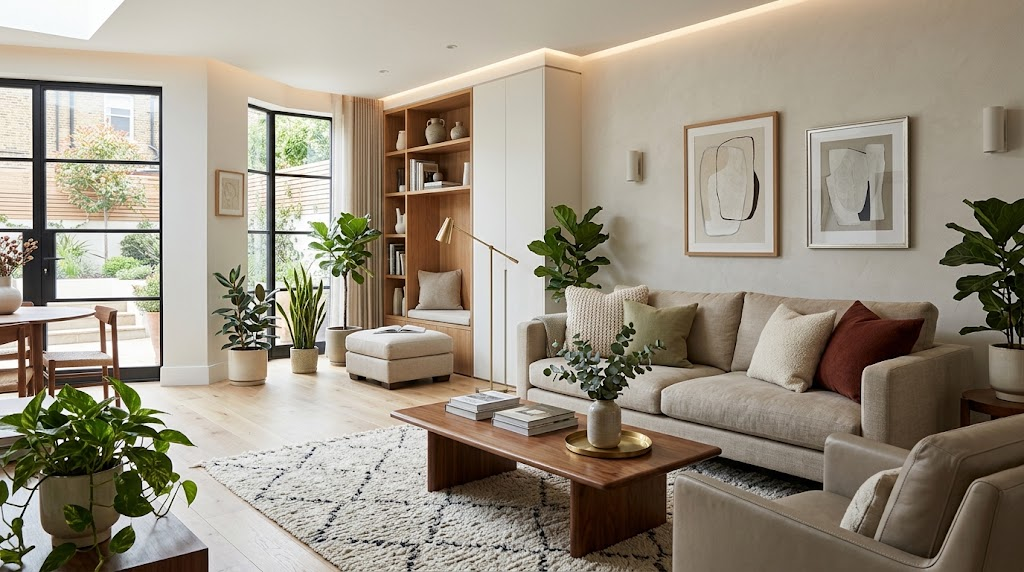
The living room often needs to perform several functions, from relaxing to spending time with family or welcoming visitors. Interior design DrHomey can approach this challenge by creating clear zones within the room.
Furniture can be arranged around a natural conversation area rather than simply pushed against the walls. A rug can visually connect seating, while lighting can define different activities.
The result should feel welcoming and practical rather than overly formal.
Sustainable Interior Choices
Modern interior design increasingly considers sustainability. Interior design DrHomey can incorporate this principle through durable furniture, thoughtful purchasing, reuse, and materials selected with longevity in mind.
Buying fewer but better-suited items can also reduce unnecessary waste. Reusing existing furniture through repairs, refinishing, or rearrangement can refresh a room without replacing everything.
For broader professional information about sustainable design and the interior-design field, the provides industry resources and information.
Avoiding Common Interior Design Mistakes
One common mistake is purchasing furniture before measuring the room. Another is choosing too many unrelated colors or decorative styles.
Poor lighting is another frequent problem. Even a well-planned room can feel uncomfortable when it depends on a single harsh light source.
Interior design DrHomey works best when each decision supports the overall purpose of the room. Before adding another decorative item, ask whether it improves the appearance, function, comfort, or personality of the space.
How to Apply Interior Design DrHomey at Home
You do not need to redesign an entire house at once. Start with one room and identify what is currently working and what is causing problems.
Then consider the layout, lighting, color, storage, furniture, and decorative details. Small improvements can sometimes make a significant difference.
DrHomey’s current interior-design content similarly covers practical subjects ranging from professional design tips to lighting and small-space furniture solutions.
For internal SEO, related articles could naturally link to pages such as Small Space Interior Design, Bedroom Lighting Ideas, Living Room Furniture Layouts, and Modern Home Decorating Ideas.
Frequently Asked Questions
What is interior design DrHomey?
Interior design DrHomey refers to an approach that combines attractive design with functionality, comfort, personalization, and practical use of space.
Is interior design DrHomey suitable for small homes?
Yes. The principles of efficient layouts, appropriate furniture, storage, and good lighting can be especially useful in compact spaces.
Why is lighting important in interior design?
Lighting affects both the usefulness and atmosphere of a room. Combining natural, general, task, and accent lighting can create a more flexible environment.
How can I personalize my interior?
Use meaningful artwork, photographs, books, plants, colors, and textiles that reflect your interests and lifestyle without overcrowding the room.
Does good interior design have to be expensive?
No. Good planning can often make a noticeable difference without replacing everything. Rearranging furniture, improving lighting, reducing clutter, and adding carefully chosen accessories can refresh a space.
Conclusion
Interior design DrHomey is ultimately about creating spaces that work for real people. A successful interior combines thoughtful planning with comfortable furniture, suitable lighting, balanced colors, useful storage, and personal details.
The most important principle is not to follow every design trend. Instead, understand your space and choose elements that support the way you actually live.
When beauty and practicality work together, interior design DrHomey becomes more than decoration. It becomes a way of creating a home that feels comfortable, organized, personal, and genuinely useful.