
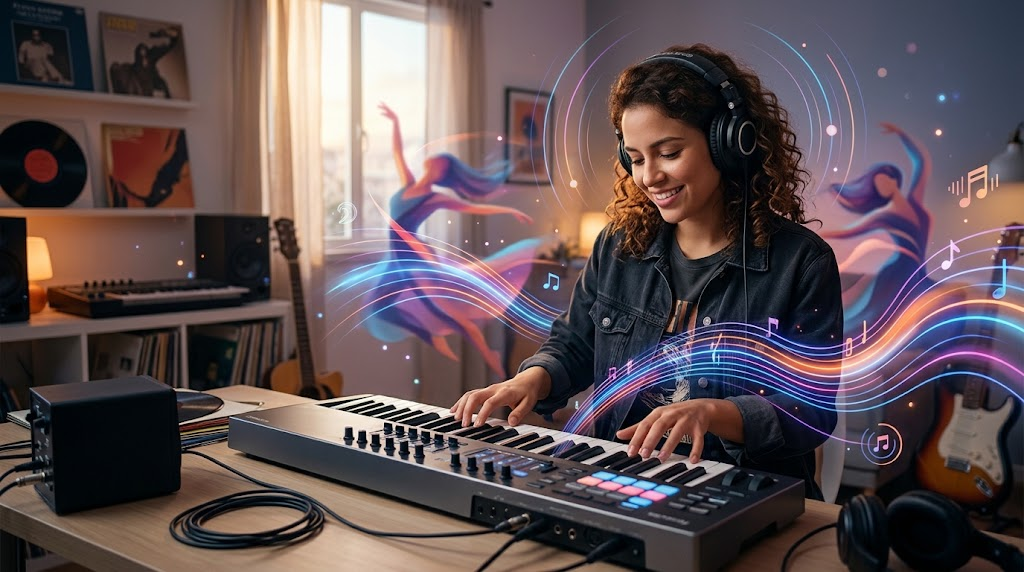
Meta Title: encuentra el ritmo: Find Your Rhythm
Meta Description: Discover what encuentra el ritmo means, how rhythm shapes music and life, and why finding your own rhythm matters.
Introduction
The phrase encuentra el ritmo translates from Spanish to “find the rhythm” in English. It is a simple expression, but its meaning can reach far beyond music. It can describe discovering a natural pace, developing confidence, connecting with creativity, or finding an enjoyable way to move through everyday life.
When people search for encuentra el ritmo, they may be interested in music, dance, personal expression, or the broader idea of finding balance. Understanding the phrase begins with its Spanish meaning but becomes more interesting when we explore how rhythm influences the way people listen, move, create, and communicate.
What Does encuentra el ritmo Mean?
Literally, encuentra el ritmo means “find the rhythm.” The verb “encuentra” comes from the Spanish verb encontrar, meaning “to find,” while “ritmo” means “rhythm.”
In music, encuentra el ritmo can describe the process of recognizing and following a beat or musical pattern. In a wider sense, it can represent finding a comfortable pace that feels natural and sustainable.
This makes the expression useful as both a musical phrase and a metaphor. Someone learning an instrument might find the rhythm of a song, while another person might use the same idea to describe discovering a productive daily routine.
encuentra el ritmo and the World of Music
Music is one of the clearest places to understand encuentra el ritmo. Rhythm provides patterns of timing that help organize sounds and create movement within a piece of music.
Whether someone listens to pop, rock, jazz, classical music, Latin music, or another genre, rhythm plays an important role in how the music feels. Different combinations of beats, pauses, accents, and tempo can create completely different moods.
Why Rhythm Matters in Music
When listeners naturally tap their feet or move along with a song, they are responding to rhythmic patterns. Musicians also depend on rhythm to coordinate their playing and maintain timing with other performers.
For beginners, learning to recognize a steady beat can be an important part of musical development. Practicing simple rhythmic patterns can gradually improve timing and confidence.
Finding Your Rhythm Through Dance
Dance provides another natural interpretation of encuentra el ritmo. Dancers connect movement with musical timing, but rhythm is not necessarily about performing complicated steps.
A beginner can start by listening carefully to the beat and making simple movements that match it. Over time, this can develop into more coordinated and expressive movement.
The idea behind encuentra el ritmo is therefore not about being perfect. It is about becoming comfortable with timing and allowing movement to respond naturally to music.
The Personal Meaning of encuentra el ritmo
Beyond music and dance, encuentra el ritmo can be understood as a reminder to discover your own pace. People do not all work, learn, or create in exactly the same way.
Finding a personal rhythm may mean developing a routine that allows enough time for study, work, rest, hobbies, and other responsibilities. A sustainable rhythm can make everyday activities feel more manageable.
Finding a Comfortable Pace
A healthy personal rhythm does not have to mean doing everything quickly. Sometimes finding your rhythm means slowing down, taking breaks, and giving yourself enough time to concentrate.
This interpretation makes encuentra el ritmo a useful phrase for personal development. It encourages awareness rather than competition and emphasizes finding an approach that works for the individual.
How Rhythm Connects With Creativity
Creativity often depends on experimentation, and rhythm can influence creative expression in many ways. Writers, musicians, dancers, artists, and filmmakers all use timing or patterns to shape how audiences experience their work.
For musicians, rhythm can create energy and structure. For writers, sentence length and pauses can influence the flow of language. For filmmakers, editing and scene timing can affect tension and emotion.
In this sense, encuentra el ritmo can become a creative principle: explore different patterns until the work begins to feel natural and coherent.
encuentra el ritmo in Everyday Life
The concept of encuentra el ritmo can also apply to ordinary activities. Studying, exercising, practicing a skill, completing creative work, or preparing for a busy day can become easier when people establish a consistent routine.
Consistency does not mean following the same schedule every day without flexibility. Instead, it can mean understanding when you concentrate best, when you need rest, and how you can organize your responsibilities effectively.
Finding that balance can make the phrase “find your rhythm” feel surprisingly relevant outside music.
Learning to Recognize Rhythm
Rhythm can be developed through practice. Listening carefully to music and identifying the steady beat is a simple starting point.
Clapping along with a song, counting beats, or practicing basic musical patterns can help beginners become more aware of timing. With regular practice, recognizing rhythmic structures can become increasingly natural.
The same principle applies to other skills. Repetition, patience, and attention can help people gradually discover a rhythm that works for them.
Why encuentra el ritmo Is More Than a Translation
Although encuentra el ritmo has a straightforward translation, its appeal comes from the different ideas it can represent. It can mean following a beat, moving with music, discovering a creative flow, or establishing a comfortable personal pace.
That flexibility makes the phrase meaningful in different contexts. It can encourage someone learning music, inspire a dancer, or simply remind a person that progress does not always happen at the same speed for everyone.
Conclusion
encuentra el ritmo means “find the rhythm,” but its message can extend well beyond music. Rhythm shapes musical performance, dance, creative expression, and even the routines people develop in everyday life.
Whether you are learning an instrument, enjoying a song, exploring dance, or simply trying to create a better daily routine, encuentra el ritmo can be understood as an invitation to discover what feels natural and sustainable.
Ultimately, finding your rhythm is not about copying someone else’s pace. It is about listening, practicing, adjusting, and discovering a pattern that allows you to move forward with confidence.
FAQs About encuentra el ritmo
What does encuentra el ritmo mean?
Encuentra el ritmo is Spanish for “find the rhythm.” It can refer to music, dance, creativity, or finding a comfortable personal pace.
Is encuentra el ritmo related to music?
Yes. Rhythm is a fundamental part of music, and the phrase can describe learning to recognize and follow a musical beat.
Can encuentra el ritmo have a personal meaning?
Yes. It can be used metaphorically to describe finding a comfortable routine, pace, or approach to everyday life.
How can someone improve their sense of rhythm?
Listening carefully, clapping along with music, counting beats, and practicing simple rhythmic patterns can help develop timing.
Why is rhythm important?
Rhythm gives music structure and movement. More broadly, finding a personal rhythm can help people organize activities and develop consistent habits.