
Introduction
Learning how to design a garden layout kdagardenation starts with one simple idea: a successful garden should be planned around the space, the people using it, and the plants that will grow there. KDA Garden Nation presents garden design as a combination of creativity, structure, nature, and practical outdoor living.
Instead of choosing plants first and trying to fit everything together afterward, how to design a garden layout kdagardenation encourages you to think about the entire outdoor area before planting. A little planning can improve movement, appearance, sunlight, watering, and maintenance.
What Does How to Design a Garden Layout Kdagardenation Mean?
The phrase how to design a garden layout kdagardenation refers to creating a planned arrangement for garden beds, paths, plants, seating areas, and other outdoor features. The KDA Garden Nation material emphasizes the connection between garden design and the wider home environment.
A good layout is not simply a collection of attractive plants. It considers how different parts of the garden work together. The result should feel organized without becoming too rigid.
Start With a Clear Purpose
Before drawing your garden plan, decide what you want the space to do. You might want an area for flowers, vegetables, relaxation, entertaining, or a mixture of several purposes.
Understanding this goal makes how to design a garden layout kdagardenation much easier because every later decision can support the purpose of the space.
Study Your Garden Before Designing It
A garden should be designed according to its actual conditions. Spend some time observing where sunlight falls during the day and notice areas that remain shaded.
Also consider existing trees, walls, fences, buildings, drainage, soil conditions, and convenient access points. KDA Garden Nation’s design material highlights site analysis, including factors such as soil, sunlight, and drainage.
Measure the Available Space
Accurate measurements are essential when learning how to design a garden layout kdagardenation. Make a simple sketch of the property and mark important fixed features such as doors, paths, trees, sheds, and existing structures.
The drawing does not need to look professional. Its purpose is to give you a clear picture of the space before you decide where beds and other features should go.
Choose a Garden Style
The next stage of how to design a garden layout kdagardenation is choosing a visual style that suits your home and personal taste. A formal design might use straight lines, geometric beds, and clearly defined boundaries.
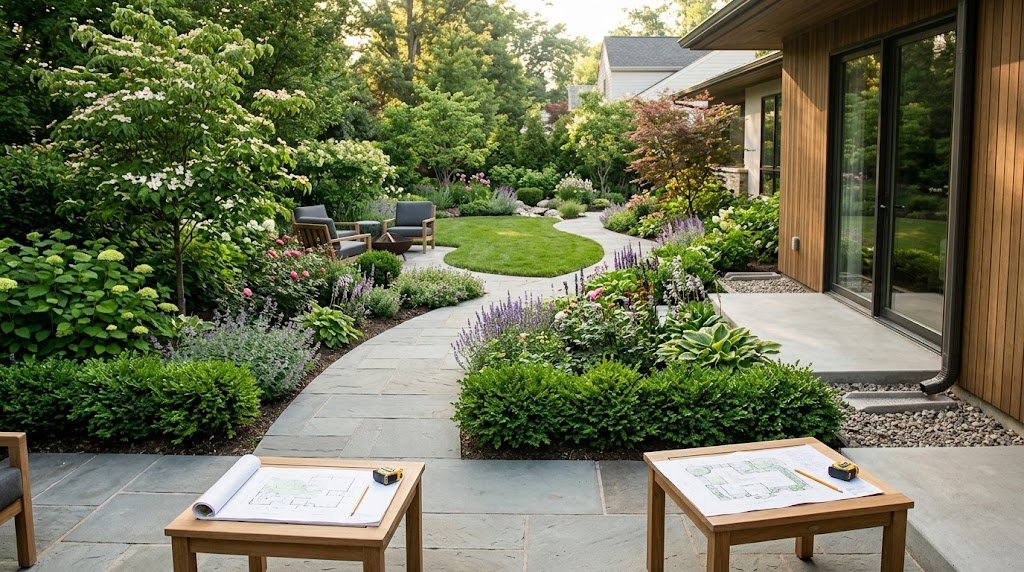
A naturalistic garden can use softer shapes, curved beds, mixed planting, and winding paths. Neither approach is automatically better. The right choice depends on the character of your property and how you want the garden to feel.
Plan Garden Zones
Dividing a garden into practical zones can make the layout much easier to understand. You might create one area for planting, another for sitting, and another for movement between different parts of the garden.
When considering how to design a garden layout kdagardenation, think about how you will move through these zones. A path should connect important areas naturally rather than ending in an inconvenient location.
Create a Strong Focal Point
A focal point gives the garden somewhere for the eye to rest. This could be an attractive tree, a distinctive planting area, a sculpture, a seating feature, or another suitable garden element.
The focal point should complement the rest of the design rather than competing with everything around it. A clear visual hierarchy can make even a relatively small garden feel more intentional.
Design Garden Beds Carefully
Garden beds are among the most important elements when learning how to design a garden layout kdagardenation. Their shape should work with the overall garden style and leave enough room for people to move around them.
Think about how plants will look when mature rather than designing only for their current size. Crowded planting can create unnecessary maintenance and make the garden feel disorganized.
For vegetable gardens, practical access is especially important. Beds should be positioned so plants can be reached for watering, harvesting, and routine care.
Choose Plants According to the Site
Plant selection should come after you understand the garden’s conditions. Consider sunlight, soil, moisture, climate, mature plant size, and maintenance needs.
This is a central principle of how to design a garden layout kdagardenation because beautiful plants will not perform well if they are placed in unsuitable conditions. KDA Garden Nation’s gardening material similarly emphasizes matching plant choices with climate, soil, and maintenance requirements.
For reliable plant information, gardeners can also consult established horticultural resources such as the
Think About Height and Texture
A balanced garden usually benefits from variation in plant height and texture. Taller plants can provide structure toward the back of a border, while shorter plants can create definition closer to paths.
Different leaf shapes, textures, and seasonal changes can add interest without requiring excessive decoration.
Add Paths and Hardscape Features
Paths are not only decorative. They guide movement and make different areas easier to reach. When planning how to design a garden layout kdagardenation, consider the routes you will actually use.
Hardscape features such as patios, edging, walls, steps, and seating areas can provide the structural framework around which planting is organized. KDA Garden Nation’s material identifies hardscape as an important part of functional landscape design.
Use materials that complement the home’s architecture and the garden’s overall style. Repeating a material or shape in several areas can help create visual unity.
Consider Water and Drainage
Water management should be part of the design from the beginning. A garden that looks attractive on paper can become difficult to maintain if water collects in unsuitable areas.
When considering how to design a garden layout kdagardenation, observe where rainwater naturally moves and avoid creating unnecessary drainage problems. Plants should also be grouped according to their moisture needs when possible.
Responsible water use can make a garden easier to maintain and more environmentally considerate.
Make Small Gardens Feel Larger
A small outdoor space does not need to feel crowded. How to design a garden layout kdagardenation can work particularly well in compact areas when the design uses vertical space and carefully chosen features.
Trellises, climbing plants, containers, and appropriately sized furniture can add interest without taking up excessive floor space. Keeping pathways clear can also make movement feel easier.
A limited number of well-chosen elements often creates a stronger impression than filling every available area.
Keep Maintenance in Mind
A beautiful garden is much easier to enjoy when its maintenance requirements match the time available. Before choosing plants or features, think realistically about watering, pruning, weeding, cleaning, and seasonal care.
The KDA Garden Nation approach includes maintenance as part of successful landscape design rather than treating it as an afterthought.
This is one of the most useful lessons from how to design a garden layout kdagardenation: design the garden you can realistically care for, not just the garden that looks impressive in a photograph.
Create a Cohesive Connection With Your Home
A garden generally feels more successful when it relates visually to the building beside it. The KDA Garden Nation guide describes the garden as an extension of the home’s architecture, emphasizing structure, proportion, and harmony.
You can create this connection through repeated colors, materials, shapes, or architectural lines. The goal is not to make the garden identical to the house, but to make the two spaces feel naturally connected.
A Sustainable Garden Layout
Sustainability can also influence how to design a garden layout kdagardenation. Choosing suitable plants, reducing unnecessary materials, protecting soil, and supporting local wildlife can all contribute to a healthier outdoor environment.
Where appropriate, native or locally adapted plants can reduce maintenance and provide useful habitat. Composting organic material and using water thoughtfully can also support more responsible gardening.
For internal SEO, related articles could naturally link to KDA Garden Nation Garden Guide, Garden Designs Kdagardenation, Designing Garden Beds Kdagardenation, and How to Design a Garden Kdagardenation.
Common Mistakes to Avoid
One common mistake is starting with plants before understanding the space. Another is creating pathways that look attractive but are inconvenient to use.
Overcrowding is also a frequent problem. Plants grow, and a layout that looks spacious when first planted can become difficult to maintain later.
When learning how to design a garden layout kdagardenation, remember that good design is about balance. The garden should have enough structure to feel organized while still allowing plants and nature to create a relaxed atmosphere.
Frequently Asked Questions
What is the first step in designing a garden layout?
Start by defining the garden’s purpose and studying the available space, including sunlight, soil, drainage, structures, and existing plants.
Can I design my own garden layout?
Yes. A simple measured sketch can be enough to begin. You can gradually refine the design as you understand your space and gardening goals.
How should I choose plants for my garden?
Choose plants according to sunlight, soil, moisture, climate, mature size, and the amount of maintenance you can provide.
How can I make a small garden look better?
Use clear zones, appropriate-sized features, vertical planting, and uncluttered pathways. Avoid filling every available area.
What makes a garden layout successful?
A successful layout combines beauty, practical movement, suitable plants, comfortable spaces, and manageable maintenance.
Conclusion
Learning how to design a garden layout kdagardenation is ultimately about creating a thoughtful relationship between plants, people, architecture, and nature. KDA Garden Nation’s approach emphasizes structure, personal expression, functionality, and harmony rather than simply filling a yard with plants.
Start with the space you have, understand its conditions, establish clear zones, choose suitable plants, and plan for long-term maintenance. With a clear layout, even a simple garden can become a comfortable and attractive extension of the home.