
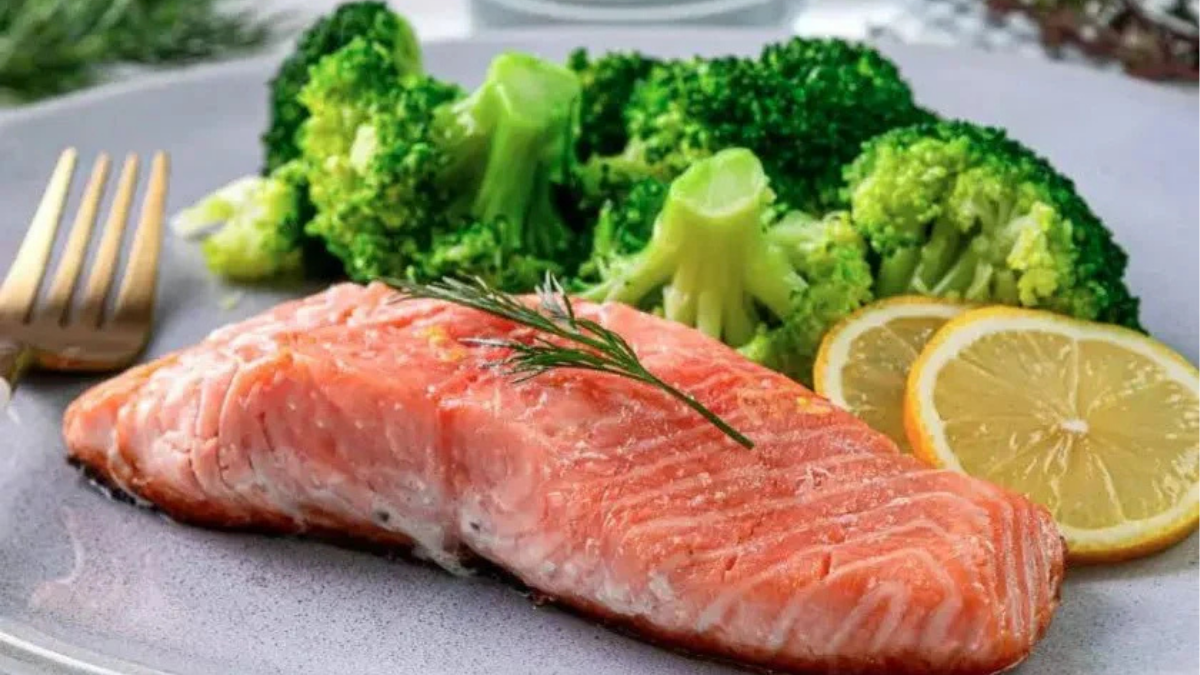
Cooking salmon to the perfect doneness is both an art and a science. Whether you’re preparing a quick weeknight dinner or a restaurant-quality dish, understanding the ideal salmon done temp is the difference between dry, overcooked fish and a tender, flavorful masterpiece.
Many home cooks rely on guesswork, visual cues, or cooking time alone—but those methods can be inconsistent. The most reliable way to ensure perfectly cooked salmon every time is by understanding temperature, how it affects texture, and how to apply it across different cooking methods.
This comprehensive guide breaks down everything you need to know about salmon doneness, internal temperatures, techniques, tools, and common mistakes—so you can cook with confidence and precision.
What Is the Ideal Salmon Done Temp?
The ideal salmon done temp depends on both food safety guidelines and personal preference. The widely recommended internal temperature for fully cooked salmon is 145°F (63°C), measured at the thickest part of the fillet.
However, many chefs prefer cooking salmon to a slightly lower temperature, around 125°F to 135°F, for a more tender and moist texture. This creates a softer, buttery consistency while still being safe if handled properly and sourced from high-quality fish.
Why Temperature Matters More Than Time
Cooking salmon based solely on time can lead to inconsistent results because thickness, starting temperature, and cooking method all affect how quickly it cooks. A thin fillet may overcook in minutes, while a thick cut may remain underdone at the same time interval.
Using temperature removes the guesswork. When you monitor the internal salmon done temp, you ensure the fish reaches your desired doneness regardless of variables, giving you consistent results every time.
Understanding Salmon Texture at Different Temperatures
Salmon transforms dramatically as it cooks, shifting in both texture and color. At lower temperatures, it remains soft and translucent, while higher temperatures make it firm and opaque.
At around 110°F, salmon is very soft and almost raw in the center. Between 120°F and 130°F, it becomes tender and flaky while still moist. By the time it reaches 145°F, the flesh is firm, fully opaque, and easily flakes apart.
Recommended Salmon Done Temp by Preference
Different diners prefer different textures, so there’s no single “perfect” temperature for everyone. Understanding these ranges helps you tailor the cooking process to your taste.
Here’s a quick reference table for salmon doneness:
| Doneness Level | Internal Temp (°F) | Texture Description | Moisture Level |
|---|---|---|---|
| Rare | 110–115 | Very soft, translucent center | Very high |
| Medium Rare | 120–125 | Tender, slightly translucent | High |
| Medium | 130–135 | Flaky, moist, slightly firm | Moderate-high |
| Medium Well | 140 | Firm, fully opaque | Moderate |
| Well Done | 145+ | Very firm, dry if overcooked | Low |
This table illustrates how the salmon done temp directly impacts texture and moisture, making temperature control essential.
Food Safety and Salmon Cooking Guidelines
Food safety authorities recommend cooking salmon to 145°F to ensure harmful bacteria are eliminated. This is especially important when cooking for vulnerable individuals such as children, elderly people, or those with weakened immune systems.
That said, high-quality salmon—especially sushi-grade—can be safely consumed at lower temperatures if handled properly. Always ensure your fish is fresh, properly stored, and sourced from reputable suppliers.
How to Measure Salmon Done Temp Correctly
To accurately measure salmon done temp, use an instant-read thermometer inserted into the thickest part of the fillet. Avoid touching the pan or bone, as this can give a false reading.
For best results, insert the thermometer sideways into the center. This ensures you’re measuring the true internal temperature rather than just the surface heat.
Best Thermometers for Cooking Salmon
A reliable thermometer is one of the most valuable tools in your kitchen. Digital instant-read thermometers provide quick and accurate readings, making them ideal for cooking fish.
Probe thermometers are also useful for oven cooking, allowing you to monitor temperature continuously without opening the oven. This helps maintain consistent heat and prevents overcooking.
Salmon Done Temp for Oven Baking
When baking salmon in the oven, aim for an internal temperature of 125°F to 135°F for optimal texture. The residual heat will continue cooking the fish even after you remove it from the oven.
Preheat your oven to around 375°F and bake until the salmon reaches your target temperature. Pull it out slightly early to avoid overshooting your desired salmon done temp.
Salmon Done Temp for Pan-Seared Salmon
Pan-searing is one of the most popular methods for cooking salmon, offering a crispy exterior and tender interior. For this method, aim for a final internal temperature of around 125°F to 130°F.
Start with skin-side down in a hot pan, and let the fish cook mostly on one side before flipping briefly. This technique helps maintain moisture while achieving a golden crust.
Salmon Done Temp for Grilling
Grilling adds a smoky flavor to salmon, but it also introduces more variables like heat intensity and flare-ups. Aim for an internal temperature of 130°F to 135°F for best results.
Use medium heat and avoid overhandling the fish. A well-oiled grill and careful timing will help you reach the ideal salmon done temp without sticking or burning.
Salmon Done Temp for Air Fryer Cooking
Air fryers provide a fast and efficient way to cook salmon with minimal oil. The circulating hot air ensures even cooking and a slightly crisp exterior.
Set your air fryer to around 375°F and cook until the internal temperature reaches 125°F to 130°F. This method is ideal for quick meals while maintaining consistent doneness.
Salmon Done Temp for Sous Vide Cooking
Sous vide cooking offers unparalleled precision, allowing you to cook salmon to an exact temperature. This method is perfect for achieving consistent results every time.
Set your sous vide bath between 120°F and 130°F depending on your preference. The salmon will cook evenly throughout, ensuring the perfect salmon done temp without risk of overcooking.
Visual Indicators of Salmon Doneness
While temperature is the most reliable method, visual cues can also help. Cooked salmon changes from translucent to opaque and begins to flake easily with a fork.
The white protein (albumin) that appears on the surface is another sign of cooking, though excessive albumin can indicate overcooking.
Common Mistakes When Cooking Salmon
One of the most common mistakes is overcooking, which results in dry, tough fish. This often happens when relying on time instead of monitoring salmon done temp.
Another mistake is cooking straight from the fridge. Letting salmon sit at room temperature for a few minutes before cooking ensures more even heat distribution.
How Resting Affects Salmon Done Temp
Just like meat, salmon continues to cook after being removed from heat. This is known as carryover cooking and can raise the internal temperature by a few degrees.
Allowing salmon to rest for a few minutes helps redistribute juices and stabilize the final salmon done temp, resulting in better texture and flavor.
Choosing the Right Cut of Salmon
Different cuts of salmon cook differently. Thicker fillets require more precise temperature control, while thinner cuts cook quickly and can easily overcook.
Center-cut fillets are ideal for even cooking, while tail pieces are better suited for quick methods like pan-searing.
Skin-On vs Skinless Cooking Considerations
Cooking salmon with the skin on helps protect the flesh from direct heat and retains moisture. It also allows for a crispy texture when pan-seared.
Skinless salmon cooks faster and requires more attention to avoid exceeding the ideal salmon done temp.
The Role of Fat Content in Cooking Salmon
Salmon is naturally rich in healthy fats, which contribute to its flavor and moisture. Higher-fat varieties like Atlantic salmon are more forgiving when cooking.
Leaner varieties require closer attention to temperature to prevent dryness, making precise control of salmon done temp even more important.
Seasoning and Marinades Impact on Cooking
Seasoning enhances flavor but can also affect cooking. Sugary marinades, for example, can caramelize quickly and burn at high temperatures.
Simple seasoning with salt, pepper, and lemon allows the natural flavor of salmon to shine while making it easier to control the cooking process.
Expert Insight on Cooking Salmon
“Perfect salmon is about precision, not guesswork. Temperature control is the single most important factor in achieving consistent, restaurant-quality results.”
This insight reflects a key principle: mastering salmon done temp is what separates average cooking from exceptional results.
How Thickness Affects Cooking Time and Temperature
Thicker fillets take longer to reach the desired internal temperature, making them more forgiving. Thinner fillets cook quickly and require close monitoring.
Adjust your cooking approach based on thickness to ensure you hit the ideal salmon done temp without overcooking.
Cooking Frozen Salmon Safely
Frozen salmon can be cooked directly without thawing, though it requires additional time. Start with lower heat to ensure even cooking.
Use a thermometer to track progress and ensure the salmon reaches the appropriate internal temperature safely.
Pairing Salmon with Side Dishes
Salmon pairs well with a variety of sides, including roasted vegetables, rice, and fresh salads. The richness of the fish complements lighter, acidic flavors.
Balancing textures and flavors enhances the overall dining experience while highlighting the perfectly cooked salmon.
Conclusion: Mastering Salmon Done Temp
Understanding and controlling salmon done temp is the key to consistently delicious results. Whether you prefer tender and moist or fully cooked and firm, temperature gives you the precision needed to achieve your desired outcome.
By using the right tools, techniques, and knowledge, you can elevate your cooking and enjoy perfectly prepared salmon every time.
FAQs
What is the safest salmon done temp?
The safest salmon done temp is 145°F, which ensures harmful bacteria are eliminated and the fish is fully cooked.
Can salmon be eaten below 145°F?
Yes, high-quality salmon can be safely consumed at lower temperatures like 125°F, depending on sourcing and handling.
How do I know salmon is done without a thermometer?
You can check for opaque color and flaking texture, but using a thermometer ensures accurate salmon done temp.
What happens if salmon is overcooked?
Overcooked salmon becomes dry, tough, and loses its natural flavor due to exceeding the ideal salmon done temp.
Should salmon be pink in the middle?
Yes, salmon can be slightly pink in the center if cooked to around 125°F to 130°F, depending on preference.
